Electric lift
Motor-driven adjustment
- Height changes at the press of a control, smooth and repeatable.
- Adjusts during the session without breaking contact with the client.
- Needs a power source; the motor becomes a maintenance item.
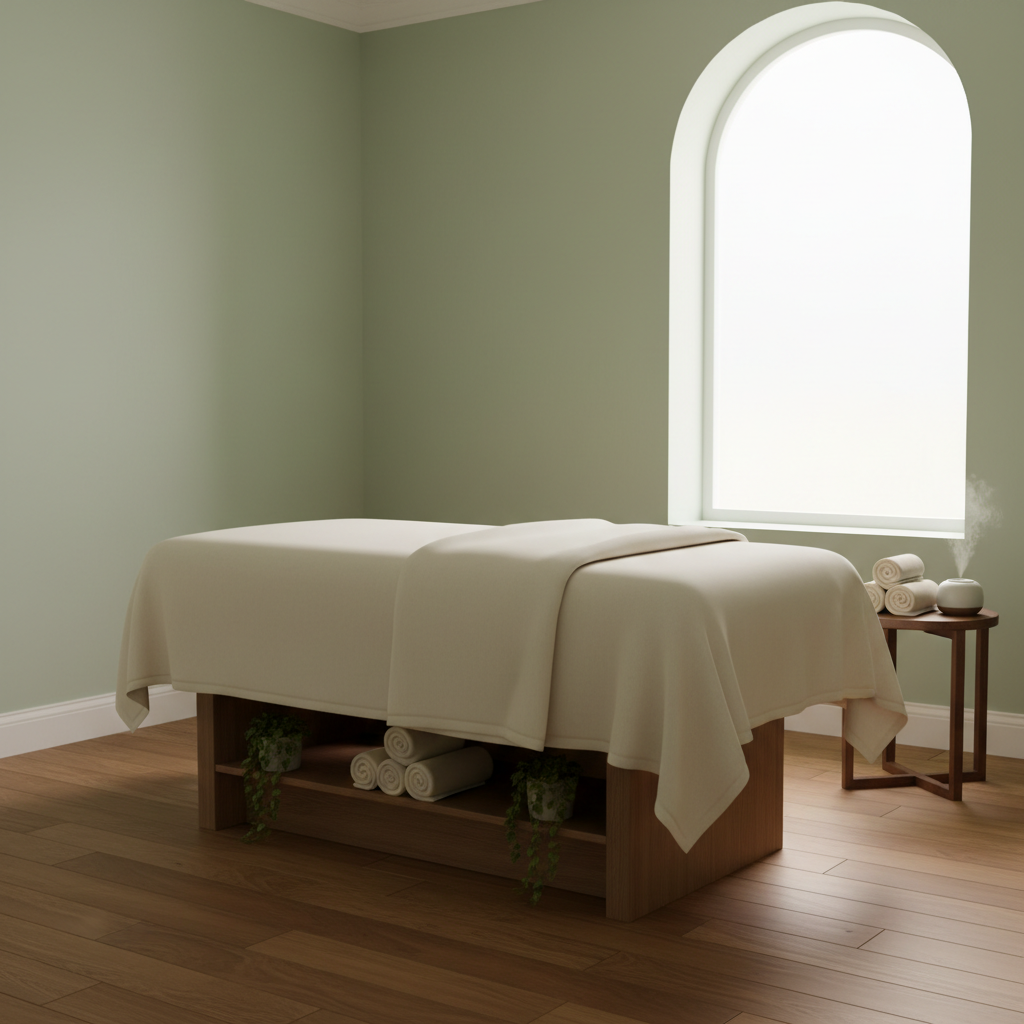
Height-adjustable electric lift tables for massage therapists and bodywork studios, med-spas and estheticians, chiropractic and physical therapy clinics, and the salon and spa buyers who outfit them. One press of a pedal puts the work at your height and the table within your client's reach.
The fundamentals
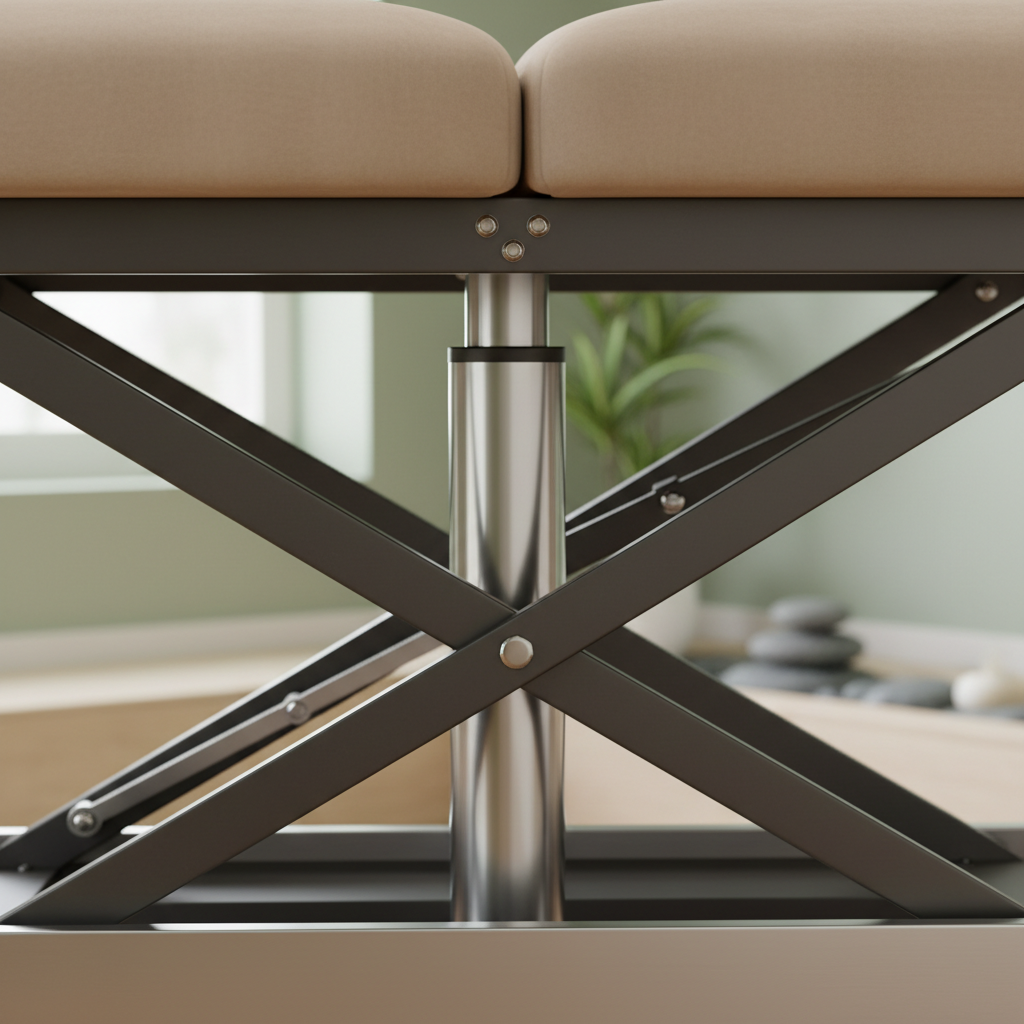
An electric massage table is a professional treatment table whose working height, and often its backrest and leg sections, move under motor power. A linear actuator or motor in the base raises and lowers the tabletop at the press of a foot pedal, footbar or hand control, smoothly enough to adjust while a client is lying on it. Suppliers list the same equipment as electric lift tables, hi-lo tables, powered treatment tables or electric spa tables.
The alternatives frame the choice. A stationary table is fixed at one height, or set once with threaded legs and left there. A hydraulic table adjusts by pumping a foot lever, with no electricity involved. The electric table is the only one of the three that changes height precisely, hands-free and mid-session, which is why it has become the default in rooms where more than one practitioner works or more than one kind of client needs to get on the table.
Motor-driven adjustment
Foot-pump adjustment
Fixed height
Why height adjustment matters: the practitioner
Bodywork is physical labour performed for hours at a stretch, and the table height that suits deep, leaning pressure is different from the height that suits detailed work around the neck or seated techniques. A fixed table forces the practitioner's posture to absorb that difference all day. A powered lift moves the work to the practitioner instead, one press at a time, for every therapist who shares the room regardless of their height.
Why height adjustment matters: the client
A table that lowers toward seat height is the difference between a client transferring from a wheelchair with dignity and not getting on the table at all. The US Access Board's standards for medical diagnostic equipment set a 17 inch low transfer height as the accessibility benchmark for adjustable equipment, and clinics and studios that serve older or mobility-limited clients feel the value of a low-reaching lift every single day, whatever rules formally apply to their facility.
The classes
Five classes cover nearly everything sold into studios, clinics and spas. They differ in what moves besides the height, how low they reach, and what environment they are built to survive.
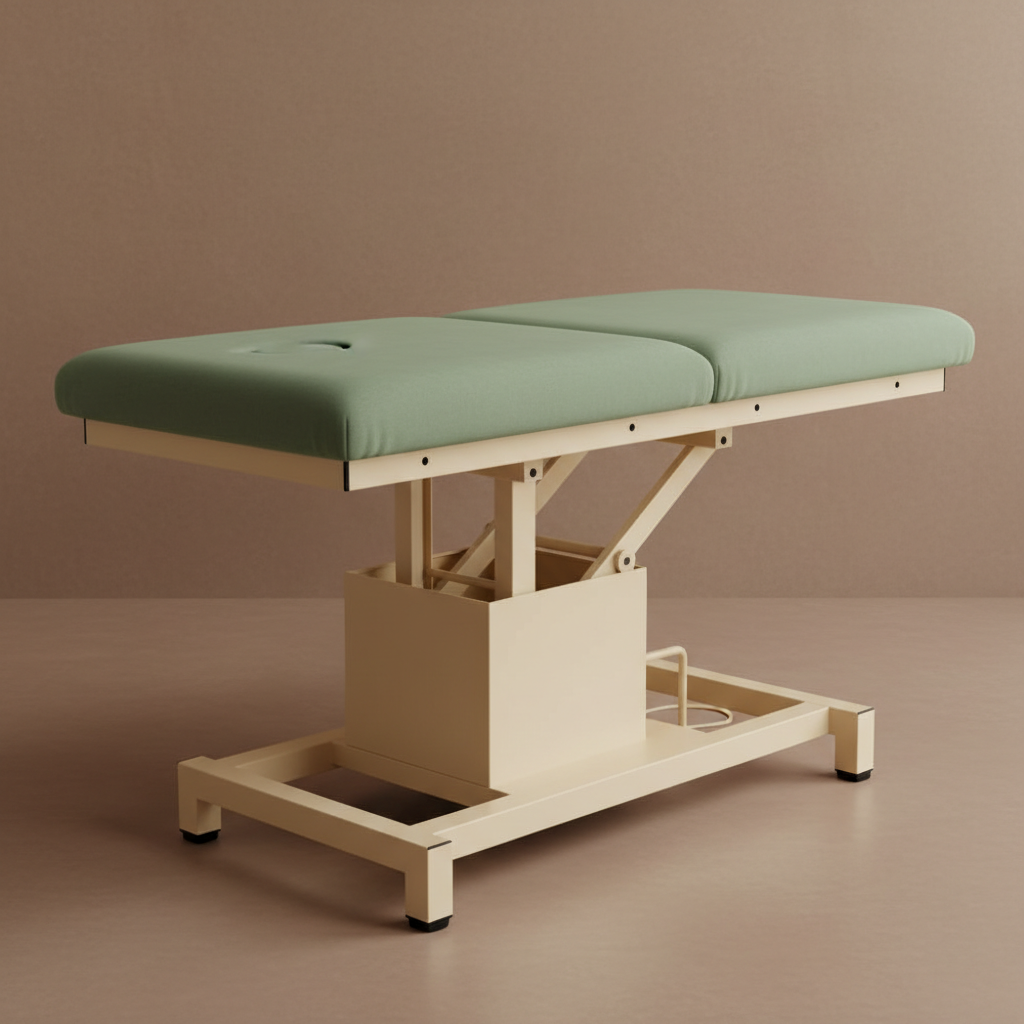
The massage workhorse
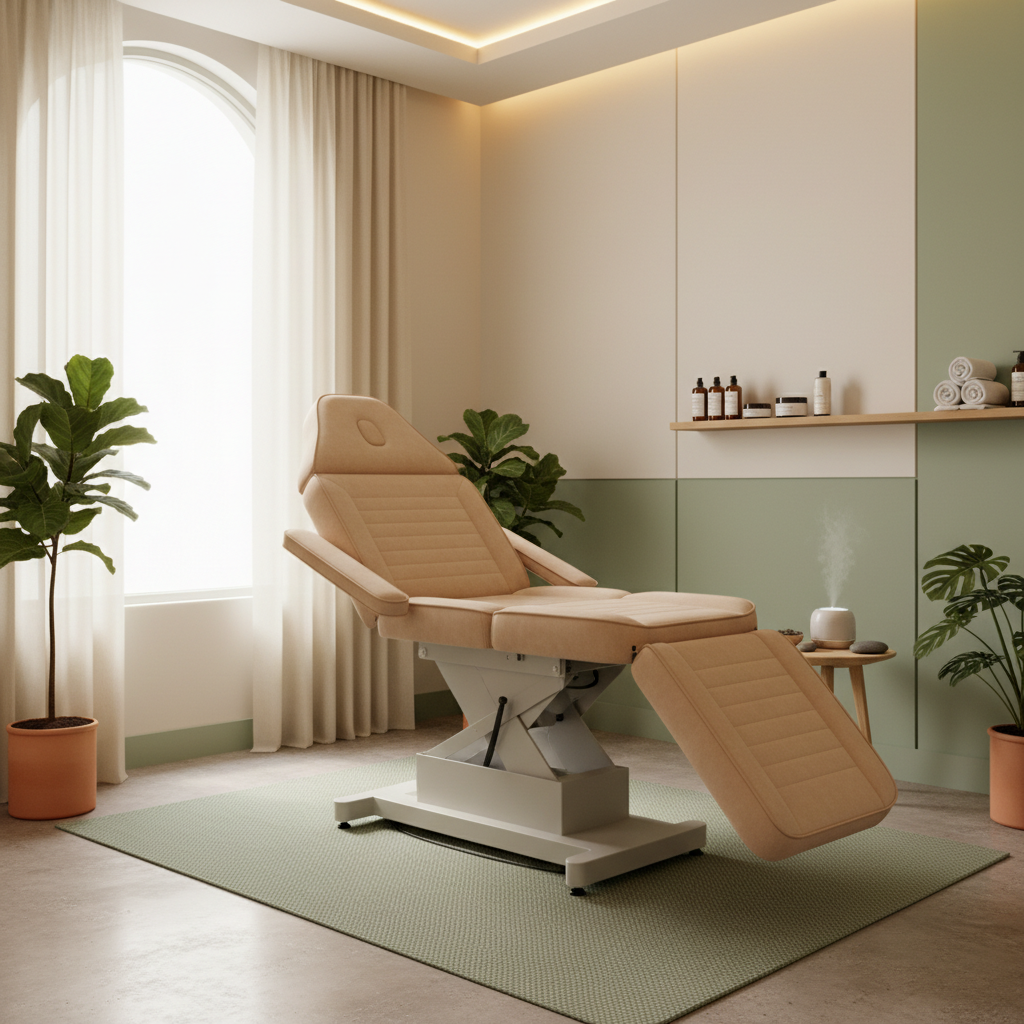
The salon and med-spa top
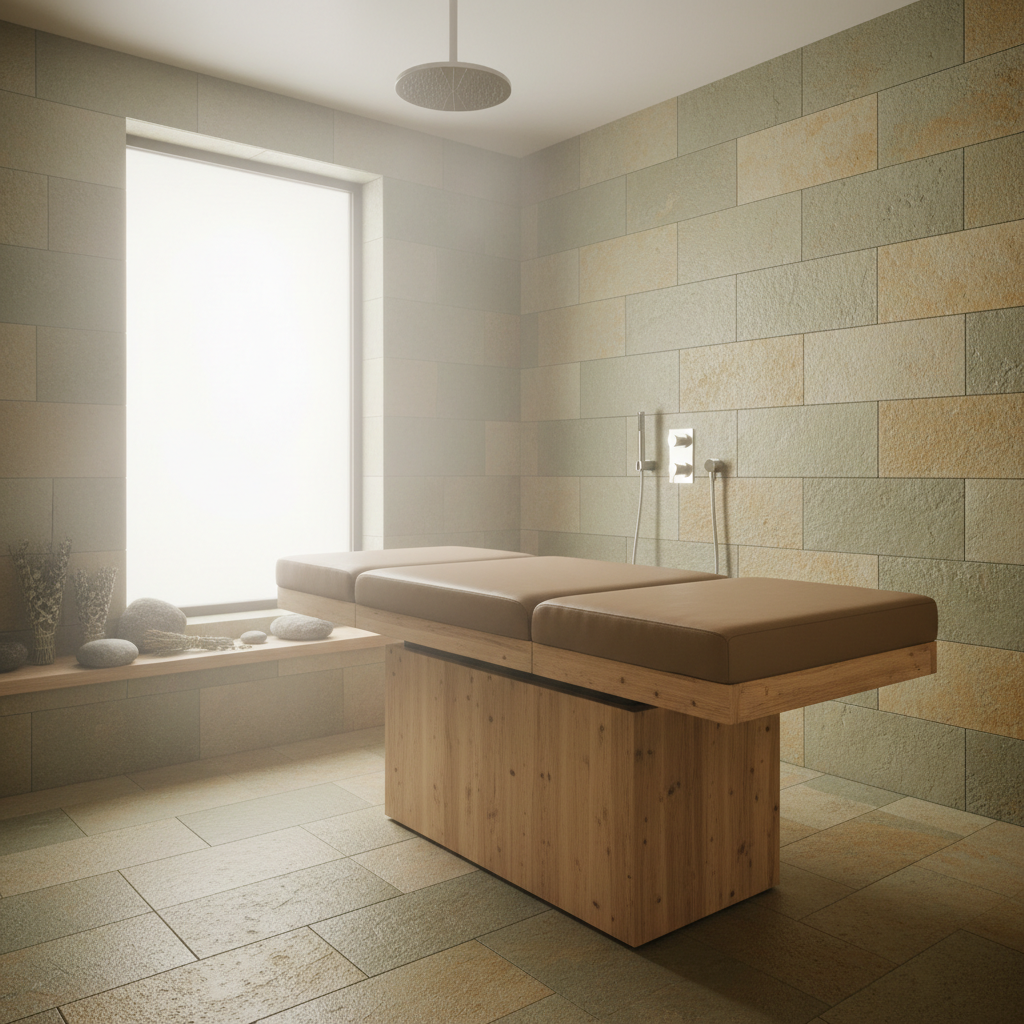
Built for water
Access first
The clinical cousin
Comparing units
Spec sheets list dozens of figures. A handful decide whether a table suits the room and the practice. Here is what each one is telling you, and the trap that goes with it.
| Specification | What it governs | What to watch for |
|---|---|---|
| Lift range | The vertical travel of the top, from its lowest to its highest position. | Judge both ends. The low end sets client access, including transfers; the high end sets whether tall practitioners work standing without stooping. |
| Working (dynamic) capacity | The load the table is rated to lift and support while moving and during treatment. | Treatment pressure counts as load. Deep, leaning work adds substantially to the client's weight, so buy headroom, not the minimum. |
| Static capacity | The load the frame holds with the lift parked and no movement commanded. | It is normally a much larger number than working capacity. Never compare one maker's static rating against another's working rating. |
| Motor and actuator type | How the lift is driven: most commonly low-voltage DC linear actuators, one for height and more for backrest or leg sections. | Actuators are rated for intermittent duty, not continuous running. Check the duty cycle, the noise under load, and whether replacement parts are stocked. |
| Controls | Foot pedal, all-around footbar, or a wired hand control. | A footbar reachable from any side keeps both hands on the client. A single pedal parked in one corner does not. |
| Low transfer height | How close the top gets to seat height for clients transferring from a wheelchair. | The US Access Board's medical diagnostic equipment standards use 17 inches as the low transfer benchmark, with a 25 inch high position. Verify what applies to your facility, and check the published low height against it. |
| Top dimensions | Width and length of the working surface, plus any width added by armrests or side extensions. | Wider is more comfortable for the client and harder on the practitioner's reach. Removable side extensions let one table do both. |
| Upholstery and cleanability | The covering material, its seam construction and what it tolerates. | Massage oils and disinfectants destroy the wrong upholstery. Confirm chemical compatibility with your actual cleaning products, in writing. |
| Warranty structure | How long the frame, the motors and actuators, and the upholstery are each covered. | Frames typically carry the longest coverage and upholstery the shortest. Ask who pays labour and shipping on a motor swap, not just whether the part is covered. |
The static rating answers a narrow question: how much can sit on the table without anything bending. The working rating answers the question that matters in a treatment room: how much can the table lift, hold and absorb while a session is actually happening, motors running, client shifting, practitioner leaning in.
Marketing copy loves the bigger number. Buy on the working rating, remember that applied pressure during treatment adds to the load, and leave yourself margin rather than specifying to the limit.
Ratings vary between manufacturers, models and configurations. Work from the data plate and the published manual for the specific unit, not from generic figures.
Decision guide
The right table falls out of the practice, not the catalogue. Start from what happens in the room all day, then let that dictate the class and the two or three specs worth paying extra for.
Usually a flat-top electric
Tilt or multi-section top
Elevation table or ADA height-adjustable
Standardise per room type
In the room
Four buyer groups account for most of the market, and each one leans on the powered lift for a different reason.
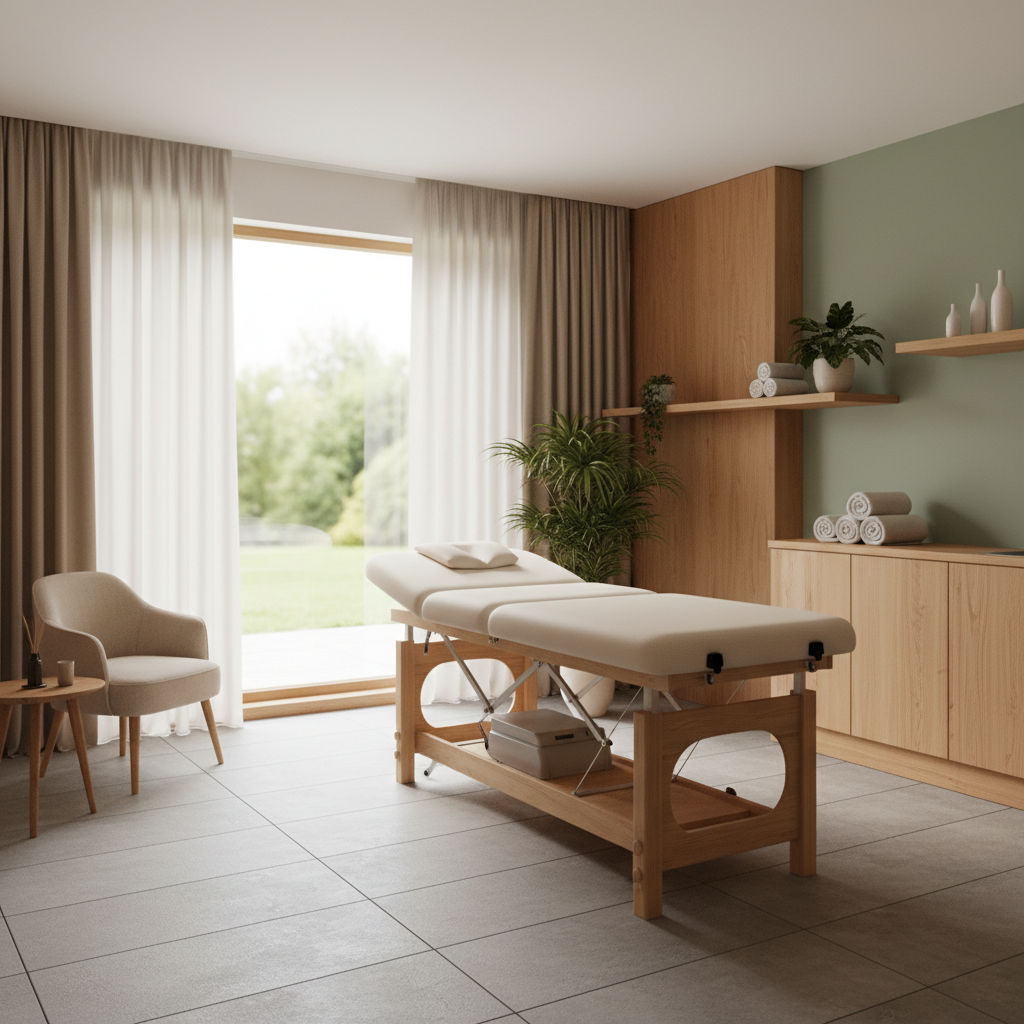
The lift is an ergonomic tool. Across a full day of sessions, the ability to drop the table for leaning pressure and raise it for detail work protects the practitioner's back and wrists, and in shared rooms it resets the height for each therapist in seconds. Studios that book solidly tend to treat the electric table as working equipment, not furniture.
Here the table doubles as a chair. Powered backrests and leg sections move clients between reclined and seated positions for facials, peels, waxing and lash services without asking them to climb or shuffle, and preset positions turn the room over faster between appointments.
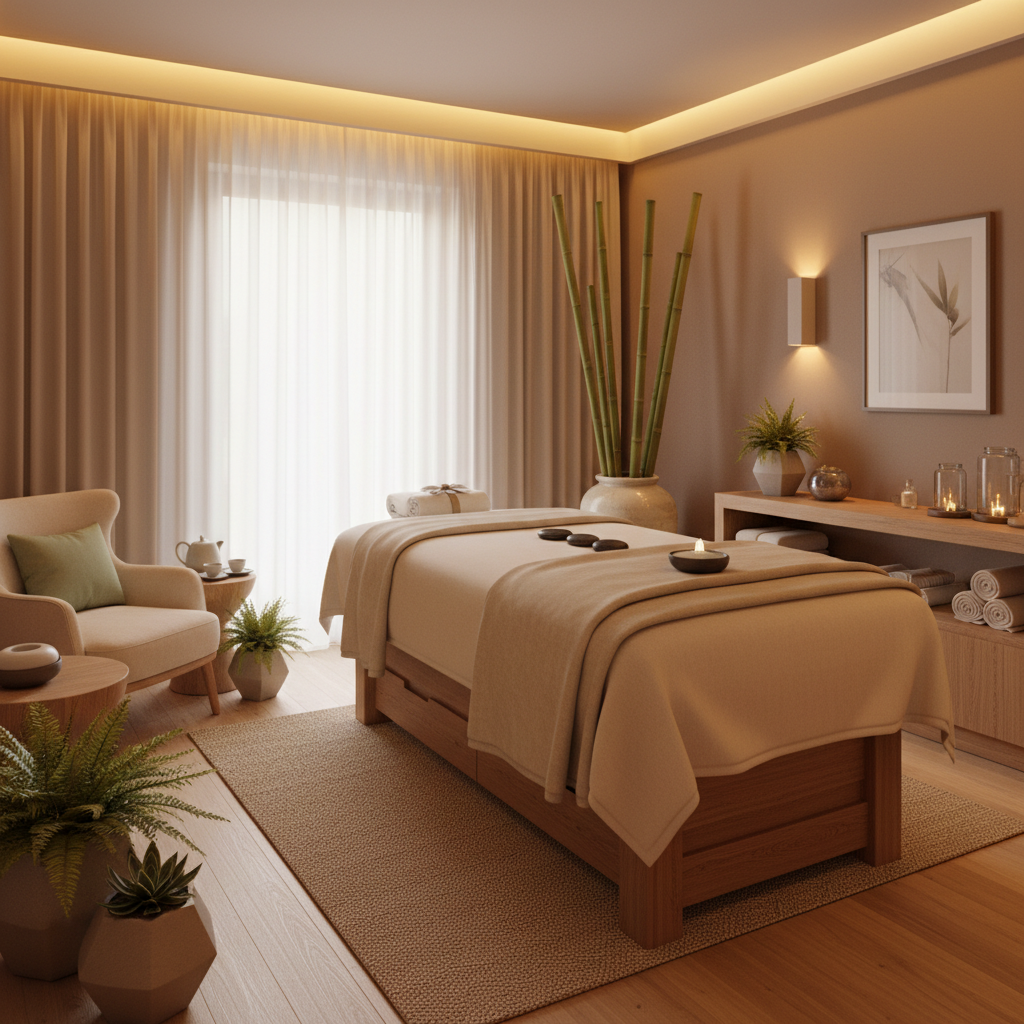
Clinics see the widest range of bodies and mobility levels, so the low end of the lift is the headline: patients transfer on at close to seat height, then the table rises to working height. High patient turnover also rewards tables built for constant cycling, firm tops and controls that work from any side of the room.
Outfitting a property means buying tables by the roomful. The decisions are fleet decisions: which rooms need wet-rated equipment, how power reaches each table without visible cords, whether one upholstery spec can run through every suite, and which supplier will still stock actuators and covers when the property refreshes in a few years.
Ownership
An electric table is a machine wearing furniture's clothes. The frame will outlast the business plan; the motors, upholstery and hardware last as long as they are looked after. Three habits carry most of the load.
Respect the duty cycle: actuators are built for short adjustment bursts with rest between, not continuous cycling. Keep the base and columns free of dust and oil buildup, listen for new grinding or straining sounds, and route the power cord so it is never pinched, rolled over or strained at the plug. If a motor slows or hesitates under normal load, stop and have it checked rather than working around it.
Use cleaning and disinfecting products the upholstery maker approves, wipe up massage oils promptly rather than letting them soak the seams, and protect the surface with linens or covers during sessions. Small cuts and cracked seams grow, and they end the surface's ability to be properly disinfected, so deal with damage when it is small or plan reupholstery.
On a regular schedule, run the table through its full range of motion empty, check that it holds height without drifting, tighten frame fasteners, and inspect cables, plugs and controls for wear. Log what you find. A five minute monthly check catches almost everything before a client is on the table when it matters.
Common questions
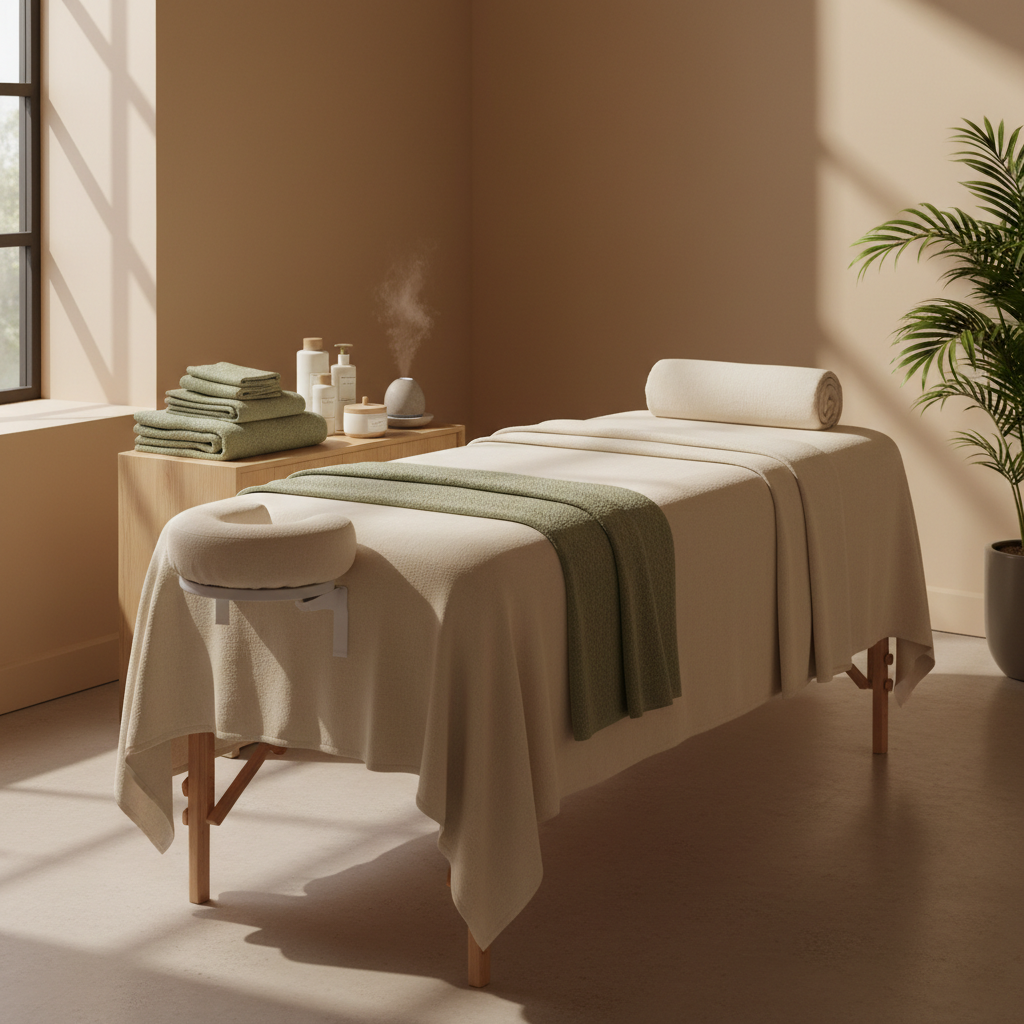
An electric massage table is a treatment table whose height, and often its backrest and leg sections, are adjusted by electric motors instead of by hand. The therapist presses a foot pedal, footbar or hand control and the table rises, lowers or reclines while the client is on it. The same basic machine is sold as an electric lift table, electric treatment table, powered spa table or hi-lo table, depending on the market it is aimed at.
Both adjust in height, but the power source differs. A hydraulic table is raised by pumping a foot lever and lowered by releasing a valve, so it needs no electricity and has no motor to service. An electric table uses a motor or linear actuator, which gives smoother, more precise movement at the press of a control and makes mid-session adjustment practical without breaking contact with the client. Hydraulic tables tend to cost less and suit rooms without convenient power; electric tables dominate where adjustment happens frequently during the session.
Generally no. In North America almost all professional units plug into a standard wall outlet, and many run the actuators on low-voltage DC through a transformer in the base. What deserves planning is cord routing: the outlet should be close enough that the cable never crosses a walkway, and wet or humid rooms need a table and electrical arrangement rated for that environment. Confirm the electrical specification for the exact model with the manufacturer.
Modern linear actuators are designed to run quietly, and the sound lasts only as long as the adjustment itself, typically a few seconds. Noise levels still vary between models and tend to rise under heavy load, so if silence matters to your rooms, ask to hear the actual model move with weight on it before you buy rather than relying on a brochure adjective.
Look for two numbers. The working (or dynamic) capacity is the load the table is rated to lift and support while it is moving and while treatment is happening, which includes the pressure the therapist applies. The static capacity is what the frame can bear with the lift parked, and it is normally a much larger figure. Compare working capacity to working capacity between brands, never one maker's static rating against another's working rating, and treat the data plate on the specific unit as the authority.
It refers to a table that lowers far enough for a client to transfer onto it from a wheelchair or with limited mobility, then raises to working height. The US Access Board's accessibility standards for medical diagnostic equipment use a low transfer height of 17 inches and a high position of 25 inches as the benchmark range for adjustable-height equipment. Which rules formally apply depends on the type of facility, so verify the current requirements for your practice, but a table that cannot get low is the practical barrier either way.
The frame usually outlives everything else, which is why frames commonly carry the longest warranty coverage while motors, actuators, controls and upholstery are covered for shorter terms. Actual service life depends on duty: how many sessions a day, how often the lift cycles, how the upholstery is cleaned and with what chemicals. A professional table that is maintained and cleaned with compatible products routinely serves for many years, and worn actuators and upholstery can often be replaced without retiring the frame.
Only if the specific model is built for it. Wet-room-capable tables use sealed or protected electrics, corrosion-resistant hardware and upholstery designed for standing water and repeated soaking. A standard dry-room electric table has none of those protections, and using one under a Vichy shower or in a steamy hydro suite is both an equipment and a safety problem. If the room gets wet, specify a wet-rated table from the start.
Work from both ends. The low end determines who can get onto the table: seated work, elderly clients and wheelchair transfers all want the top as low as possible. The high end determines whether tall practitioners can work standing without stooping. A range that covers your shortest and tallest therapists working their usual modalities, plus the lowest client access you intend to offer, is the specification; the exact numbers vary by table class and manufacturer.
A single practitioner doing one modality at one height can start with a well-built stationary table and upgrade later. As soon as rooms are shared between therapists of different heights, sessions mix seated and standing work, or the practice wants to serve clients who cannot climb onto a fixed-height top, powered adjustment starts paying for itself daily. Hydraulic is the middle option where budget or power access is tight. Most multi-room studios, clinics and spas that adjust height at all end up electric.
Get a Quote
Send the basics and we will point you in the right direction: the practice type, how many rooms you are outfitting, whether any of them get wet, who shares the tables, and the lowest client access you want to offer.
Specifying a table
Working out which class fits: flat-top, tilt, wet-rated, ADA height-adjustable or elevation.
Comparing quotes
Making sure capacity ratings, warranty terms and included accessories are priced on the same basis.
Outfitting multiple rooms
Standardising a spec across a studio, clinic or property, including power and cord planning.